Corner Store Cool: Why Independent Smoke Shops Are Becoming Gen Z's New Third Place
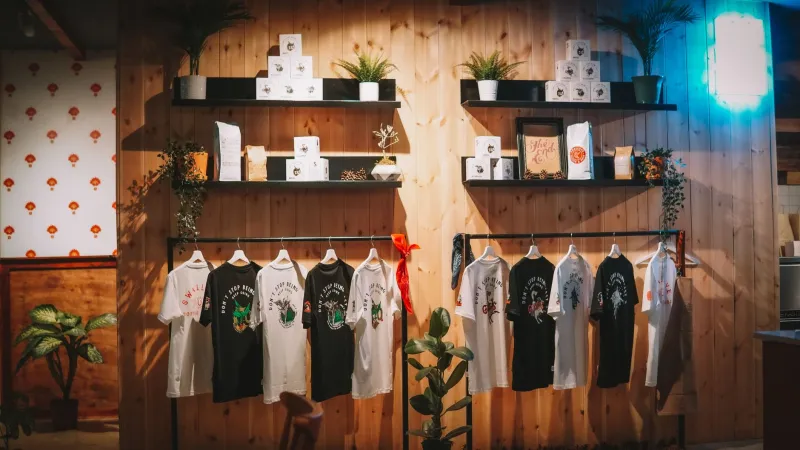
There's a shop in Denver that hosts monthly glass art showcases. One in Austin that curates its shelves like a boutique record store, rotating stock based on what the regulars are actually into. A place in Brooklyn where the staff knows your name, your preferred rolling papers, and probably your dog's name too. These aren't flukes — they're the front lines of a quiet retail revolution happening one neighborhood at a time.
The independent smoke shop is back. And honestly? It never really left. It just had to wait for the culture to catch up.
The Big Box Problem Nobody Talks About
Walk into any big box retailer or scroll through a generic online marketplace and you'll find smoking accessories — sure. Lighters in bulk. Vape pens shrink-wrapped in plastic. Pipes that look like they were designed by an algorithm. Everything is technically available, but nothing feels chosen.
That's the gap independent shops are exploiting, and Gen Z — a generation that grew up with infinite options and developed a refined sensitivity to authenticity — has noticed. These are consumers who can smell corporate from a mile away. They've watched fast fashion implode under its own disposability. They've ditched chain coffee for local roasters. The logic was always going to extend to smoke shops eventually.
"Curation is the product," says one shop owner in Nashville who has seen her customer base skew younger every year since she redesigned her store layout and started stocking small-batch, artisan-made pieces alongside her everyday inventory. "People aren't just buying a bowl. They're buying the story behind it, the person who recommended it, the vibe of the place where they found it."
What 'Third Place' Actually Means in 2024
Sociologists have long talked about the "third place" — the social environment that isn't home and isn't work, where community actually gets built. Barbershops. Diners. Record stores. Bookshops. The places that anchor a neighborhood's identity and give people somewhere to just be.
For a growing number of young Americans, the local smoke shop is sliding into that role. And the shops that understand this are doing something smart: they're designing for it.
That means comfortable seating near the display cases. It means staff who are genuinely knowledgeable and excited to talk gear without making you feel like you're being upsold. It means events — whether that's a glass artist doing a live demo, a loyalty program that feels more like a club membership than a points card, or simply a shop dog who greets you at the door.
The transaction is almost secondary. The experience is what earns the return visit.
The Curation Advantage
Here's something big box stores simply cannot replicate: a buyer with actual taste and a real relationship with their community.
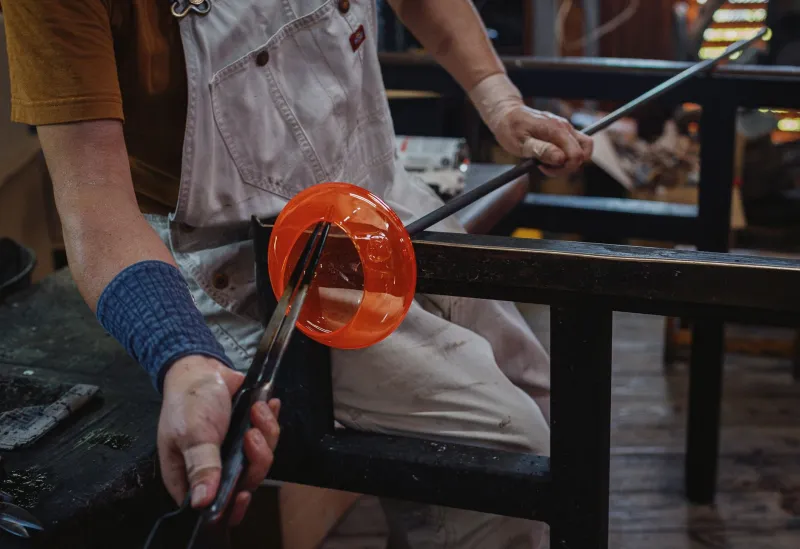
Independent shop owners typically source their products with intention. They travel to trade shows, build direct relationships with glassblowers and small-batch manufacturers, and stock their shelves based on what they personally believe in. That means when you ask a staff member why they carry a particular piece, they have a real answer — not a corporate talking point pulled from a product sheet.
For Gen Z shoppers, who have been conditioned by social media to recognize genuine enthusiasm versus performance, this matters enormously. A recommendation from someone who clearly loves what they're selling lands differently than a "customers also bought" algorithm.
Smaller shops are also nimbler. They can respond to trends faster, pivot their inventory based on customer feedback, and take risks on emerging brands that wouldn't pass a big box retailer's procurement committee. That agility creates a discovery element — the sense that you might find something unexpected every time you walk in — that keeps people coming back.
Loyalty Built on Real Connection
The numbers are starting to back this up. Studies on Gen Z shopping behavior consistently show that this demographic prioritizes local businesses, values personalized experiences, and is willing to spend more when they feel a genuine connection to a brand or retailer. They're also vocal advocates — an enthusiastic Gen Z customer with a decent social following is worth more in organic marketing than a mid-tier ad campaign.
Savvy smoke shop owners are leaning into this. Some have launched their own social content, showing behind-the-scenes of buying trips or spotlighting the artists whose work they carry. Others have built Discord communities or text-based loyalty clubs that feel more like group chats with friends than marketing funnels.
The shops that are winning aren't just selling products — they're building a world that customers want to be part of. And once someone feels like they belong somewhere, the idea of defaulting to an anonymous online checkout starts to feel pretty hollow by comparison.
The Authenticity Economy
Call it the authenticity economy, the vibe economy, whatever label fits — the underlying shift is the same. People are exhausted by sameness. They want texture, story, and the feeling that someone actually thought about what they're putting in front of them.
Independent smoke shops, at their best, offer all of that. The worn-in display cases, the staff who geek out about filtration systems or rare heady glass, the local artist whose work hangs on the wall — these are details that can't be mass-produced. They accumulate over time and create something that big box retail simply isn't built to deliver.
For Gen Z, a generation that has made "supporting small" a genuine cultural value rather than just a feel-good hashtag, independent smoke shops represent exactly the kind of business worth showing up for. Not just once, but regularly. Not just to buy something, but to connect.
What This Means for the Industry
The broader smoking accessories market is paying attention. Brands that once chased wholesale deals with large distributors are increasingly prioritizing relationships with independent retailers who can tell their story properly. Artisan glassblowers who might have struggled to reach customers a decade ago now have a network of passionate shop owners who act as genuine ambassadors.
It's a healthier ecosystem all around — one where quality and community drive the market rather than price-point competition with faceless online sellers.
For anyone who loves this culture — the gear, the ritual, the community — the rise of the neighborhood smoke shop as a destination rather than a pit stop is genuinely exciting. These places are proof that retail doesn't have to be transactional, and that the best version of a shopping experience feels a lot more like hanging out with people who get it.
Find your local. Get to know the people behind the counter. Let them surprise you with something you didn't know you needed.
That's the smoke shop renaissance. And it's just getting started.