Old Flames: How Gen Z Fell Hard for Vintage Smoking Gear in a World Full of Cheap Knockoffs
Walk into any serious smoke shop these days and you'll notice something a little surprising sitting on the counter or tucked into a glass display case: a weathered Zippo from the '70s, a hand-blown glass piece with that unmistakable mid-century silhouette, or a tin ashtray stamped with a brand logo that hasn't existed since Reagan was in office. These aren't just decorations. They're trophies — and increasingly, they belong to smokers who weren't even born when these pieces were made.
Gen Z, a generation that grew up swiping through algorithmically curated feeds of identical products, has developed a surprisingly deep appetite for vintage smoking accessories. And it's not just nostalgia for nostalgia's sake. There's something more intentional happening here — a quiet pushback against the disposable, mass-manufactured culture that's dominated the smoking market for decades.
The Thrill of the Hunt
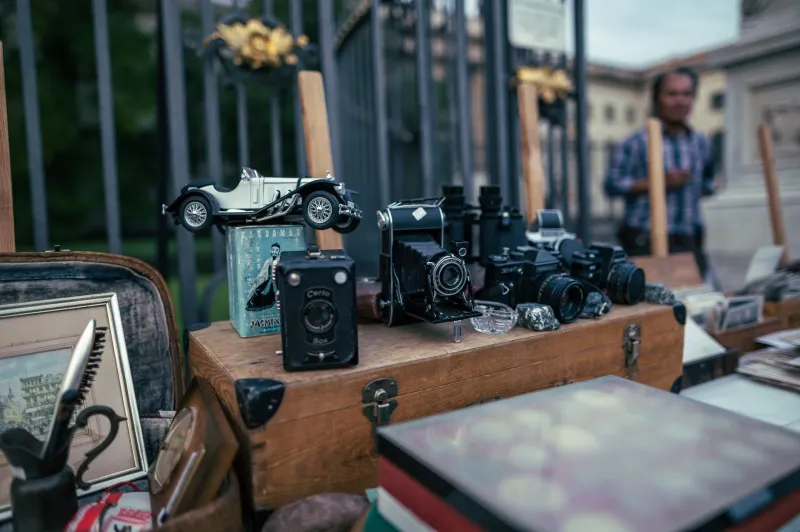
Ask any young collector how they got started, and the story usually sounds something like this: they stumbled across something old at a flea market, a grandparent's garage, or an estate sale, and something clicked. The weight of a solid brass lighter. The way vintage glass catches light differently than anything you'd find in a strip mall smoke shop. The fact that no one else on earth owns the exact same thing.
Marcus T., a 24-year-old from Austin who runs a small vintage smoking accessories account on Instagram, describes it simply. "Everything you can buy new right now looks the same," he says. "I wanted something that felt like it had a life before me. Something that wasn't made by a machine in three seconds."
That sentiment is echoed across online communities dedicated to vintage smoking culture — from Reddit threads devoted to antique lighter restoration to TikTok corners where collectors show off rare finds with the same reverence others reserve for sneakers or vinyl records.
What Counts as Vintage (and Why It Matters)
The definition of "vintage" in this space is pretty loose. Some collectors are chasing pre-1980s American-made Zippos, Ronsons, and Colibris. Others are drawn to classic Pyrex glass pieces from the early days of American head shop culture — the kind of functional art that was being made in small studios before the market got flooded with cheap imports. Then there's a whole category of smoking memorabilia: branded ashtrays, tobacco tins, cigarette cases, and advertising pieces that blur the line between collectible and usable.
What unites all of it is craftsmanship. These items were built when manufacturing standards were different — when a lighter was expected to last a lifetime, and a glass piece was made by someone who actually cared about the work. For a generation that's grown up skeptical of corporate shortcuts, that quality reads as genuine in a way that a shrink-wrapped product from a big-box retailer simply doesn't.
Sustainability Is Part of the Story
It would be a mistake to ignore the environmental angle here, because Gen Z certainly isn't. Buying vintage is buying something that already exists — no new materials extracted, no factory emissions, no packaging waste. In a smoking culture that's been heavily criticized for its disposable product problem (anyone who's seen a parking lot littered with single-use vape pens knows exactly what we're talking about), vintage gear represents a kind of ethical alternative.
"I don't use disposables," says Priya M., a 22-year-old collector from Portland who specializes in mid-century cigarette cases and Art Deco lighters. "I use things I've found and fixed up. My lighter is from 1968 and it works perfectly. That's the whole point."
Vintage shop owners have noticed the shift. Diane K., who runs a curated antique and curiosities store in Denver that devotes an entire section to smoking accessories, says the demographic of her customers has changed noticeably over the past three years. "It used to be mostly older collectors — people in their 50s and 60s who remembered this stuff from the first time around. Now I've got 20-year-olds coming in who've done their research online. They know exactly what they're looking for. They're not browsing — they're hunting."
Authenticity as the Ultimate Flex
In a culture saturated with influencer-promoted gear drops and limited-edition collabs that feel engineered rather than inspired, owning something genuinely old carries serious social currency. Post a vintage Dunhill lighter or a pristine mid-century glass piece on any smoking-adjacent social platform, and the comments fill up fast. People want to know where you found it, what you paid, and whether it's functional.
That last part matters. These aren't shelf pieces for most Gen Z collectors — they're meant to be used. There's something deeply satisfying about sparking up with a lighter that's already sparked up a thousand times before. It connects the act of smoking to something longer and larger than a single session.
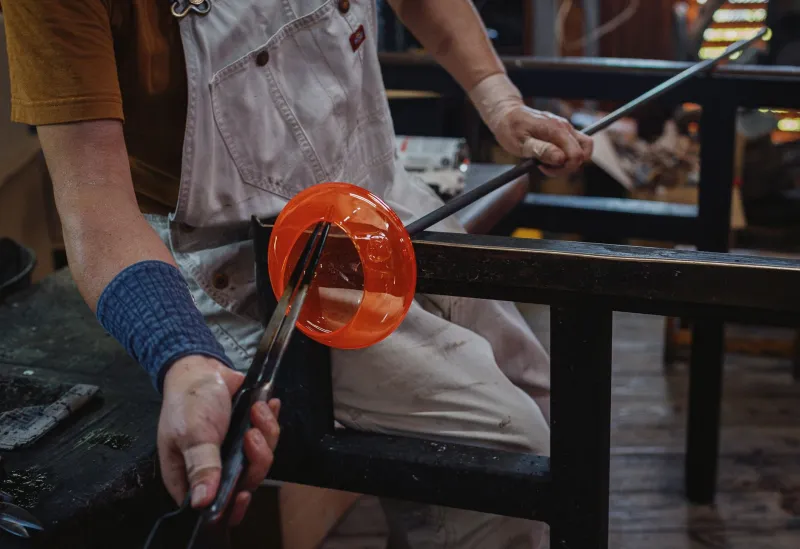
This is also where the vintage trend intersects interestingly with the broader artisan glass movement that's been building in the smoking world. Both are reactions to the same thing: a market that prioritized volume over craft. Whether you're buying a new piece from an independent glass artist or tracking down a 40-year-old find at an estate sale, you're making a statement about what you value.
Where to Start If You're Curious
For anyone tempted to dip into the vintage smoking accessory world, the entry points are more accessible than you might think. Online marketplaces like eBay and Etsy have robust categories for antique lighters and smoking accessories, and it's easy to spend an afternoon falling down that rabbit hole. Local flea markets, antique malls, and estate sales are where the real bargains live — and where the hunt feels most rewarding.
A few things worth keeping in mind: learn the basics of what you're looking for before you spend money. Zippo, for example, has a detailed dating system based on stamps on the bottom of the insert, so you can verify exactly when a lighter was made. For glass, provenance matters — pieces with documented origins from known artists or studios carry more value and authenticity.
Also, don't overlook restoration. Part of the appeal for many collectors is bringing something back to working condition. There are entire online communities dedicated to lighter repair, and the satisfaction of getting a decades-old mechanism firing again is hard to overstate.
The Bigger Picture
What the vintage smoking accessory trend ultimately reflects is something bigger than gear preferences. It's a generation actively rewriting the rules of what cool looks like in this space — moving away from the disposable and the mass-produced toward the durable, the storied, and the singular. In a market that's spent years chasing the next big thing, Gen Z is making a compelling case that sometimes the best thing is the thing that's already been here all along.
At Cloud City Smoke Shop, we've always believed that how you smoke says something about who you are. The vintage revival is just the latest proof of that — and honestly, it's one of the more interesting chapters this culture has seen in a while.