Smoke as Ceremony: The Artisan Accessory Movement Turning Every Session Into Something Sacred
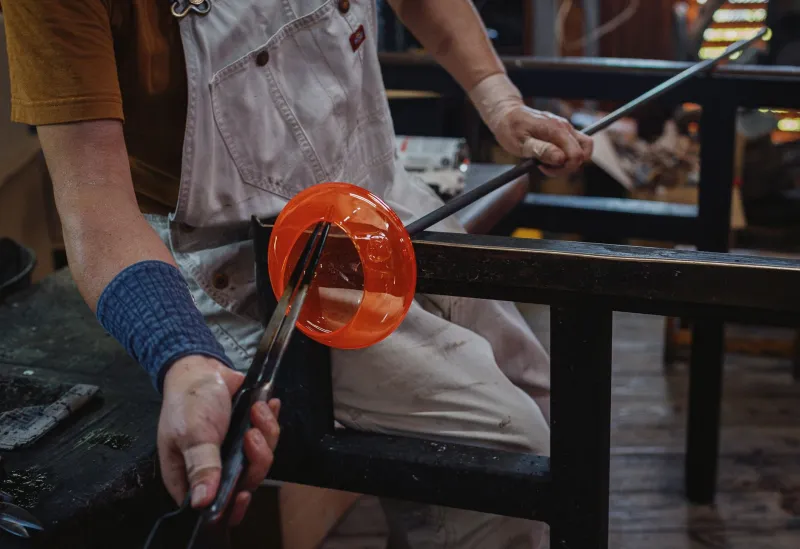
There's a moment — if you've ever held a truly well-made pipe or a hand-blown glass piece — where you pause before you even light up. You turn it over in your hands. You notice the weight, the curve, the way the light catches a swirl of color buried deep in the glass. For a second, the act of smoking becomes secondary to the object itself.
That moment is exactly what a growing community of artisans, collectors, and enthusiasts is chasing. Across the US, a quiet but unmistakable shift is happening in smoke culture: accessories are evolving from commodity gear into carefully crafted objects of desire. And for a lot of people, that transformation is changing not just what they smoke with — but how they think about the whole experience.
When Function Meets Fine Art
Walk through any serious collector's setup these days and you'll notice something different from the standard smoke shop shelf. There are pieces that look like they belong in a gallery — asymmetrical glass spoons with galaxies of color swirling through the body, meerschaum pipes carved into impossibly detailed scenes, dugouts crafted from reclaimed walnut and brass that feel like something your grandfather would have treasured.
The term "functional art" gets thrown around a lot, but in the smoking accessories world, it's genuinely earned. Glassblowers like those who've built followings on Instagram and at craft markets aren't just making pipes — they're applying borosilicate techniques borrowed from fine art glass traditions, working with torches that burn at thousands of degrees to manipulate molten material into forms that are both usable and visually stunning.
The price tags reflect that labor. Entry-level artisan pieces from emerging makers might run $80 to $200. Work from established names in the glass and pipe community? Easily into the thousands — and there's a secondary market of collectors who flip and trade these pieces like limited-edition sneakers or fine wine.
The Makers Behind the Movement
Spend any time in artisan smoking circles and a few things become clear fast. First, these craftspeople are deeply serious about their work. Second, most of them came to pipe and glass-making through unexpected paths — furniture makers who pivoted to carved pipes, glassblowers who started in scientific glass before discovering the enthusiast community, jewelers who started inlaying precious metals into smoking accessories and never looked back.
What drives them tends to be the same thing that drives any craftsperson: a belief that everyday objects deserve to be beautiful. The logic is simple and compelling. If you're going to use something daily, why shouldn't it bring you genuine aesthetic pleasure? Why shouldn't the grain of a wood pipe bowl or the depth of color in a glass piece be something you actually look forward to?
Many artisans also talk about the meditative quality of making these objects. Glasswork in particular demands total presence — you can't zone out when you're working with a flame that hot. That same quality of focused attention, they argue, is what their pieces invite in the people who use them.
Ritual, Slowed Down
Here's where the artisan accessory movement connects to something bigger happening in American culture right now. After years of optimization and convenience — one-click everything, disposable everything — a lot of people are actively seeking out slowness. They want processes that require attention. They want objects with stories.
Smoking, done thoughtfully, fits that craving perfectly. Packing a well-made pipe, running a flame carefully over a hand-crafted bowl, taking your time — it's not that different from a pour-over coffee ritual or the deliberate patience of a vinyl record collector dropping a needle on an album. The gear becomes part of the experience, not just a means to an end.
Some enthusiasts describe their premium pieces almost like anchors — physical objects that signal a transition from the noise of the day into something quieter and more personal. The pipe or the piece isn't just a tool; it's a cue. A prompt. A way of saying: this moment is set apart.
What to Look For When You're Starting to Collect
If the artisan accessory world is new to you, the range of options can feel overwhelming. Here's a practical starting point:
Glass pieces are probably the most accessible entry point. Look for makers who post process videos — watching someone work through a piece tells you a lot about their skill level and intention. Color depth, symmetry (or intentional asymmetry), and clean joints are good quality indicators. Avoid anything that looks mass-produced even if it's labeled "handmade."
Wooden and carved pipes reward patience. Briar is the classic material for a reason — it's dense, heat-resistant, and develops a patina over time that makes each pipe uniquely yours. Meerschaum is lighter and incredibly detailed when carved by a skilled hand. Both materials are widely available through specialty retailers and directly from artisans at craft shows.
Accessories beyond the piece itself are worth attention too. Hand-stitched leather pipe pouches, hand-turned wood tampers, ceramic ashtrays thrown by actual potters — these details add up into a cohesive setup that feels considered rather than cobbled together.
Instagram and craft markets remain the best places to discover emerging makers before their prices reflect their reputation. Following hashtags around glass art and pipe making will surface names worth knowing.
The Status Symbol That Actually Has Substance
There's no point pretending status isn't part of this. Showing off a beautiful piece is part of the culture — always has been. But what's interesting about the artisan accessory movement is that the status it confers is tied to knowledge and taste rather than just spending power.
Knowing who made your piece, understanding why certain techniques are difficult, being able to explain the difference between materials and methods — that knowledge is what earns respect in collector circles. You can drop serious money on a mass-produced "premium" piece and get nowhere. Or you can find a $150 glass from a talented up-and-comer and have something that serious collectors stop to look at.
That dynamic keeps the community genuinely interesting. It rewards curiosity.
Elevating Your Own Practice
You don't have to go deep into collecting to benefit from what the artisan movement is offering. Even a single well-chosen piece — something you genuinely love the look and feel of — can change the texture of your daily ritual in ways that are hard to explain until you've experienced it.
Cloud City is all about elevating the experience, and that's exactly what thoughtful gear does. It slows you down. It gives you something to appreciate before the first puff. It turns a casual habit into something that feels, on the good days, almost ceremonial.
That's worth something. Maybe even worth the splurge.