More Than Gear: How to Build a Smoking Collection That Actually Means Something
There's a difference between someone who owns a bunch of smoking pieces and someone who's built a collection. One happens by accident—an impulse buy here, a birthday gift there, a grab-bag of functional tools that pile up over the years. The other is intentional. It has a point of view. Walk into the room of a true collector and you'll feel it immediately: every piece on display was chosen, not just acquired.
If you've ever looked at your current stash and thought, this doesn't really feel like me, you might be ready to shift from accumulating to curating. Here's how to get there.
Figure Out Your Aesthetic Before You Spend Another Dollar
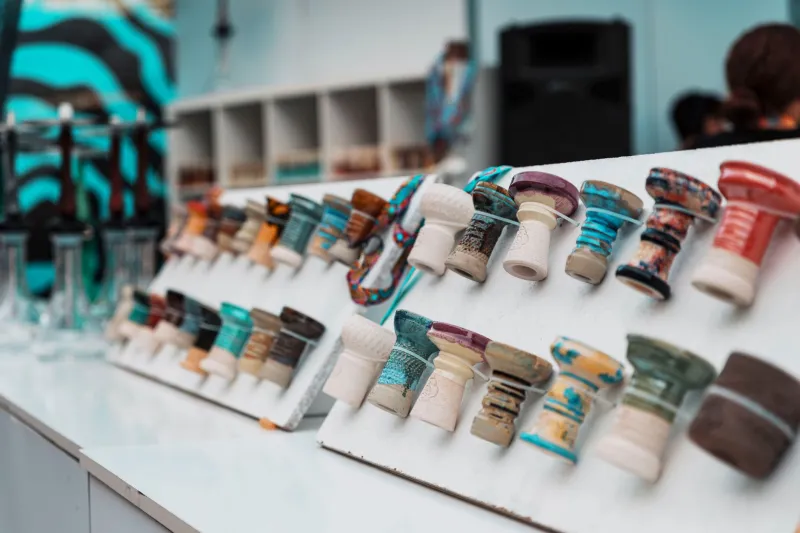
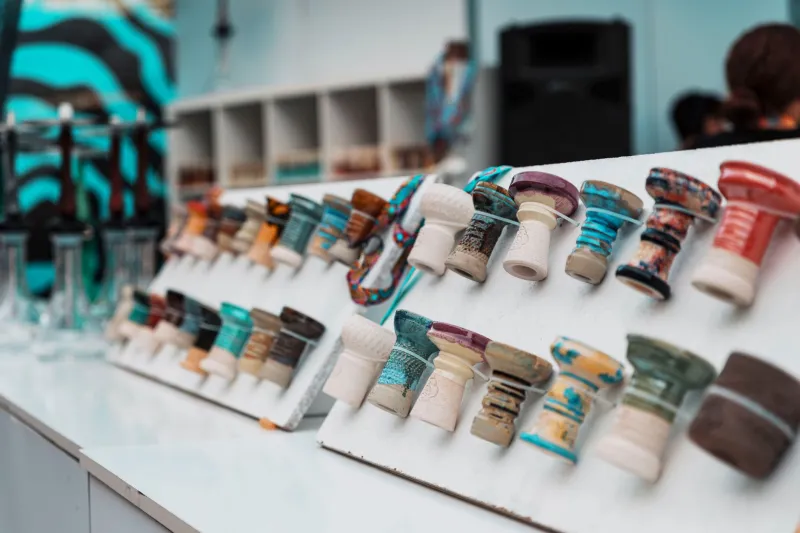
This sounds obvious, but most people skip it entirely. Before you drop cash on your next piece, spend some time thinking about what actually draws your eye. Are you pulled toward clean, geometric borosilicate glass with a modern gallery feel? Do you gravitate toward earthy, hand-thrown ceramic pieces that look like they belong on a craftsman's workbench? Maybe you're into the psychedelic, color-shifting world of fumed glass art, or the rugged utility of hand-carved wood and stone.
None of these is better than another—they're just different visual languages. The goal is to figure out your language and start speaking it consistently. Scroll through artisan glass galleries, visit local smoke shops, browse Instagram accounts from independent glassblowers. Pay attention to what makes you stop scrolling. That's your aesthetic trying to introduce itself.
Once you have a loose sense of your visual identity, everything gets easier. You'll pass on pieces that don't fit, even if they're technically impressive. You'll also start recognizing when something is genuinely yours—and that feeling is what separates a curated collection from a cluttered shelf.
Think in Terms of Investment, Not Just Cost
Here's the mindset shift that separates casual buyers from real collectors: stop thinking about price and start thinking about value. A $40 piece that you'll replace in a year is more expensive in the long run than a $300 artisan pipe that you'll use and love for a decade.
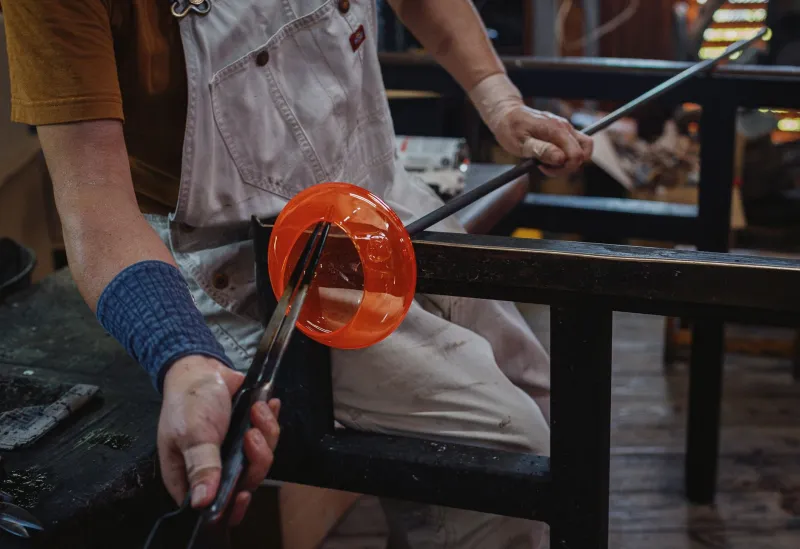
Artisan glass, in particular, has become a legitimate collectible market in the United States. Work from respected glassblowers—especially those with a recognizable signature style or a strong following in the enthusiast community—holds its value and sometimes appreciates over time. Limited drops, collaboration pieces, and one-of-a-kind commissions are the kinds of acquisitions that serious collectors track.
That doesn't mean your entire collection needs to be high-end. In fact, the most interesting collections usually have range—a few anchor investment pieces surrounded by more accessible finds that reflect different moments, trips, or relationships. The key is being intentional about what earns a permanent spot on your shelf versus what's just passing through.
Build a Story Through Provenance
One of the things that makes a collection genuinely compelling—to you and to anyone you share it with—is knowing the story behind each piece. Where did it come from? Who made it? What were you going through when you got it?
Make a habit of documenting your acquisitions. A simple notes app works fine: jot down the artist's name, where you found the piece, what drew you to it, and the date you got it. Over time, this turns your collection into something closer to a journal. That hand-blown spoon pipe you picked up at a craft fair in Austin tells a different story than the rig you saved up for after landing your first real job.
Provenance also matters practically. If you ever want to resell or trade pieces, knowing the artist and origin adds tangible value. And if you're buying directly from glassblowers—at events, through their websites, or via platforms like Instagram—don't be shy about asking for a certificate of authenticity or at least a signed piece. The artisan glass world is full of makers who are happy to connect with collectors who take their work seriously.
Display as Intentional as the Pieces Themselves
How you display your collection is part of the curation. A beautiful piece shoved in a drawer is just storage. The same piece on a well-lit shelf becomes a statement.
You don't need to go full museum mode—though some collectors absolutely do, and it looks incredible. Even simple choices make a big difference: a dedicated shelf with consistent lighting, a velvet-lined tray for smaller pieces, a shadow box for one-of-a-kind finds. Think about grouping by aesthetic, material, or color rather than just lining everything up in a row.
Lighting is underrated. A small LED strip or a couple of focused spotlights can completely transform how glass pieces read in a space. Color-shifting and fumed glass especially comes alive under the right light in ways that are genuinely jaw-dropping.
Also consider what doesn't belong on display. Not every piece needs to be out. Rotating your collection keeps it feeling fresh and gives you a reason to revisit pieces you might otherwise overlook. Think of it like a playlist—sometimes you cycle things in and out based on mood and season.
Connect With a Community That Gets It
Collecting in isolation is fine, but connecting with other enthusiasts takes things to another level. The US has a thriving community of smoking accessory collectors—online through forums, subreddits, and social media, and in person at glass art shows, smoke-friendly events, and local shop communities.
These connections open doors: tips on emerging artists before they blow up, opportunities to trade or acquire pieces you'd never find on your own, and the simple pleasure of talking to people who understand why you just spent two hours deciding between two pipes that look nearly identical to everyone else.
Follow artists whose work you love. Engage with their process. Many of the best pieces in serious collections came through direct relationships with makers—commissions, early access drops, or just being a known face in the community.
Your Collection, Your Voice
At the end of the day, a great smoking collection isn't about having the most expensive pieces or the most Instagram-worthy shelf. It's about building something that reflects how you think, what you value, and where you've been. Every piece is a small decision about what belongs in your world.
That's what separates the collector's mindset from everyone else: the understanding that the objects you surround yourself with aren't just tools. They're a language. And a well-curated collection speaks volumes—even when you're not saying a word.
Start with one intentional choice. The rest follows.