Beyond the Bowl: Why Artisan Glass Pieces Are the Ultimate Smoking Upgrade
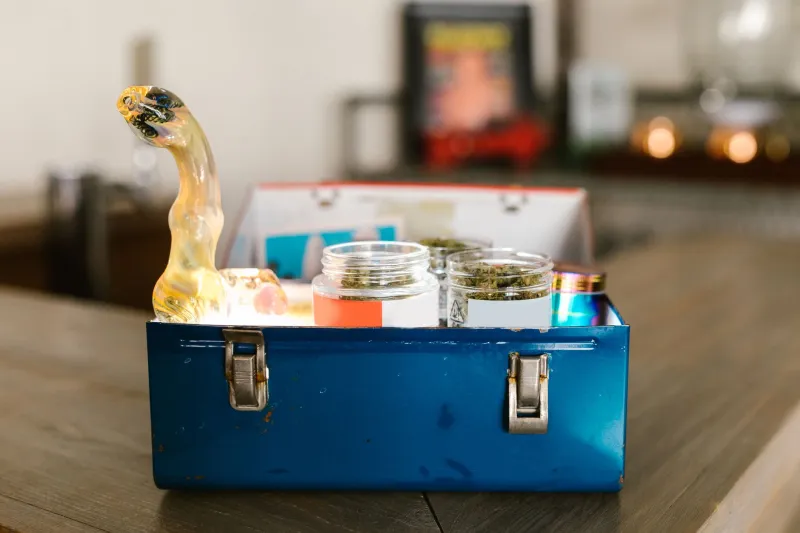
Let's be honest — most of us started out with whatever was cheapest and most available. A basic piece from the gas station shelf, maybe something a friend handed down. It got the job done. But once you've held a truly well-made artisan glass piece, felt the weight of it, watched the smoke curl through a hand-sculpted chamber designed with actual intention, it's pretty hard to go back.
The artisan glass movement in the smoking world has been building for decades, but over the last few years it's hit a genuine cultural tipping point. Independent glassmakers are selling out drops faster than sneaker releases. Collectors are paying serious money — sometimes hundreds, sometimes thousands — for functional pieces that double as art. And everyday smokers are starting to realize that the gear you use matters a whole lot more than they ever gave it credit for.
So what's actually going on here, and how do you get in on it without getting burned?
Function Meets Form: Why Design Actually Affects Your Session
Here's something the mass-market glass industry doesn't advertise: the geometry of your piece directly impacts how your smoke tastes, feels, and hits. This isn't marketing fluff — it's basic physics.
Artisan glassmakers spend years (sometimes decades) refining their understanding of airflow, percolation, and heat distribution. The angle of a downstem, the thickness of the glass walls, the diameter of a mouthpiece — all of these decisions shape the sensory experience. A well-designed percolator doesn't just look cool bubbling away; it's actively cooling and filtering smoke in ways that make each draw noticeably smoother.
Mass-produced pieces, by contrast, are optimized for cost efficiency, not performance. The glass is often thinner and more prone to cracking under thermal stress. The joints and seals may be less precise. And the percolation systems, if they exist at all, are frequently decorative rather than functional.
When you invest in a piece from a skilled independent maker, you're paying for someone who actually thought hard about how the smoke moves from point A to point B — and then executed that vision with real technical skill.
The Collector Culture Is Real (And Growing Fast)
Walk into any serious smoker's home in cities like Denver, Portland, Los Angeles, or Brooklyn and you'll likely find at least one shelf dedicated to glass. Not just stored, but displayed — lit up, arranged, treated with the same reverence you'd give a record collection or a set of vintage cameras.
Artisan glass collecting has developed its own vocabulary, its own community spaces (Instagram and certain subreddits are thriving hubs), and its own hierarchy of respected makers. Names like Banjo, Elbo, Snic, and Coyle Finz carry real weight in collector circles. Pieces from established artists regularly resell for multiples of their original price on secondary markets.
What drives this? Part of it is pure aesthetics — the best artisan pieces are genuinely stunning objects, featuring techniques like fuming (using silver or gold to create color-shifting effects), sandblasting, implosion marbles, and sculpted accents that have no parallel in factory production. But a bigger part is the story. When you buy directly from an independent maker, you're acquiring something with a known origin, a specific artistic vision, and a human being's fingerprints all over it. That means something in a world drowning in anonymous, algorithm-optimized product.
How to Spot Real Craftsmanship vs. Mass-Produced Imitations
The tricky part? The market has gotten crowded with pieces that look artisan but absolutely aren't. Here's what to check before you spend your money.
Glass thickness and consistency. Run your fingers along the tube and the base. Artisan pieces typically use American-made borosilicate glass (boro) that feels substantial and consistent. Thin spots, uneven walls, or a lightweight feel are red flags.
Joint quality. The joint — where your bowl or downstem connects — should feel tight and precise. Wiggle it gently. Any significant play or looseness suggests sloppy construction that'll lead to air leaks and breakage.
Weld and seal points. Flip the piece over and look at where different sections of glass were joined. Clean, smooth welds indicate skill. Lumpy, discolored, or uneven seals are signs of rushed or low-quality work.
Signatures and provenance. Legitimate artisan makers sign their work — usually etched or sandblasted onto the piece. If a piece claims to be handmade but has no signature, no maker information, and no paper trail, treat it with skepticism.
Where you buy matters. Purchasing directly from the maker, from a reputable local smoke shop that curates its glass selection, or through established online retailers with verified artisan partnerships is always safer than chasing a deal on a random marketplace listing.
Talking to the Makers: What Glass Artists Want You to Know
If you ever get the chance to chat with an independent glassblower — at a glass art festival, through their social media, or at a shop event — a few questions consistently reveal a lot about their craft and values.
Ask them about their influences. Serious artists can trace a lineage — who they trained under, which techniques they've pushed themselves to master, what problems they were trying to solve with a particular design. That kind of thoughtfulness translates directly into the work.
Ask about their process. How long does a single piece take? What does quality control look like in a one- or two-person studio? The answers will help you understand what you're actually paying for when the price tag looks steep.
And ask about their relationship to function. The best glassmakers will tell you emphatically that they smoke out of their own work — that they test it, refine it, and refuse to sell something they wouldn't use themselves. That's the difference between a craftsperson and someone just chasing aesthetics.
The Investment Case: Spending More Now to Spend Less Later
Here's the practical argument for anyone still on the fence: artisan glass lasts. A well-made, properly cared-for borosilicate piece can be a companion for years, even decades. Compare that to the revolving door of cheap pieces that chip, crack, or simply fall apart after a few months of regular use.
When you factor in replacement costs, the math on a quality artisan piece often works out in your favor within a year or two. And that's before you account for the genuine upgrade in your daily experience — smoother hits, better flavor, a session that feels intentional rather than incidental.
Cloud City has always been about elevating what you bring to the table, whether that's your gear, your knowledge, or your overall approach to the culture. And in that spirit, there's no single upgrade that pays off more consistently than putting a truly well-made piece in your hands.
Start small if you need to — even a mid-range piece from a verified independent maker is a revelation compared to generic shelf stock. Then, when you're ready, go deeper. Follow some glassblowers on Instagram. Visit a local shop that takes its curation seriously. Handle a few pieces before you commit.
Once you feel the difference, you'll understand what all the fuss is about.