Taste the Difference: A Smoker's Guide to Unlocking Flavor Complexity in Every Session
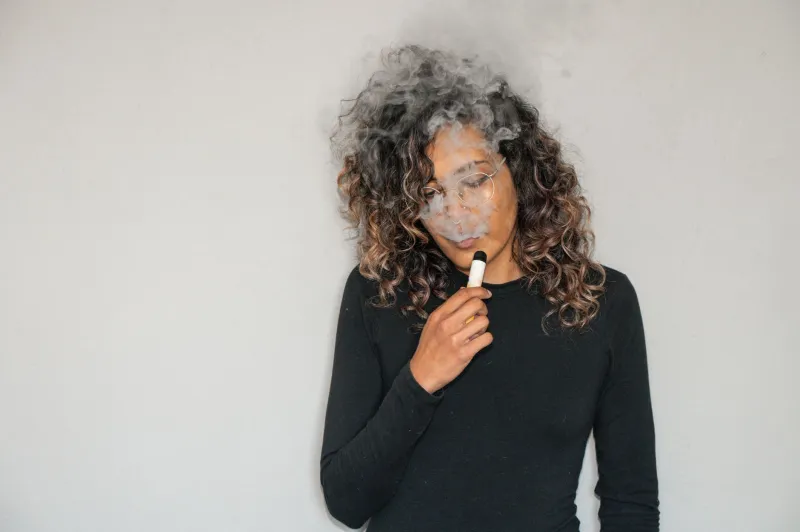
You've probably had that moment — you try a new blend or a fresh vape juice, and something just clicks. A note you've never caught before rises up, and suddenly the whole session feels different. More alive. That's not luck. That's flavor science doing its thing, and once you understand how it works, you can chase that feeling deliberately every single time.
Whether you're working with a dry herb vaporizer, a classic pipe, or a sleek pod system, there's a lot more going on in your mouth and nose than you might realize. Let's break it down.
Why Your Palate Is the Most Underrated Piece of Gear You Own
Before you start blaming your device or your product, consider this: your palate — the combination of taste buds, olfactory receptors, and even your brain's flavor memory — is the most critical variable in any session. And like any other tool, it performs better when it's prepped and maintained.
Flavor perception is roughly 80% smell, not taste. That means the aromatic compounds hitting your nasal passages are doing the heavy lifting. When your sinuses are congested, you're allergic, or you've just slammed a cup of strong coffee, you're essentially throwing a filter over your experience before you even take a puff.
A few things that help:
- Hydrate before your session. A dry mouth dulls receptor sensitivity. Water is your friend.
- Avoid strong flavors beforehand. Spicy food, citrus, or anything heavily seasoned can coat your palate and mask subtler notes.
- Try a palate cleanser. Plain crackers or a small piece of mild cheese work well — the same logic applies here as it does in wine tasting.
- Breathe through your nose. Retronasal breathing (exhaling through the nose after a draw) is where a lot of the complexity lives.
The Temperature Game: Why Heat Changes Everything
If you're vaping — especially with a dry herb or concentrate setup — temperature is your single biggest flavor lever. Different aromatic compounds, called terpenes, volatilize at different temperatures. That means a session at 350°F is going to taste noticeably different from one at 410°F, even with the exact same material.
Lower temperatures (roughly 325°F–375°F) tend to bring out lighter, more floral and citrusy top notes. Think of it like the opening of a good bourbon — bright, a little sharp, full of promise. Push higher (380°F–430°F) and you start pulling out earthier, woodier, more resinous notes. The experience gets heavier, more full-bodied.
For traditional smokers using pipes or papers, draw speed plays a similar role. A slower, more deliberate draw keeps combustion temperatures lower and tends to produce a cooler, more nuanced smoke. Rushing it cranks up the heat and can introduce harshness that bulldozes the subtler stuff.
Experiment with your device settings or your draw technique and keep mental notes — or actual notes — on what you're tasting at each range.
Humidity and Environment: The Variables Nobody Talks About
Here's something most people overlook entirely: the ambient environment where you're smoking affects what you taste. Humidity levels impact how aromatic compounds travel through the air and how they interact with your mucous membranes (glamorous, we know, but it matters).
If you're in a very dry room — especially during winter months when indoor heating is running — your nasal passages can dry out mid-session, blunting your ability to pick up subtle aromatics. A small humidifier in your smoke space, or even just stepping outside on a mild, slightly humid evening, can genuinely elevate your tasting experience.
Storing your products correctly matters here too. Dry herb that's lost too much moisture becomes harsh and loses its terpene profile. Invest in a decent humidity pack — the kind designed for storage — and your material will taste the way it's supposed to.
Device Type and Flavor Delivery: Matching the Tool to the Taste
Not every device is built for flavor. Some are built for clouds, some for convenience, and some for discretion. If flavor chasing is your goal, here's a quick breakdown:
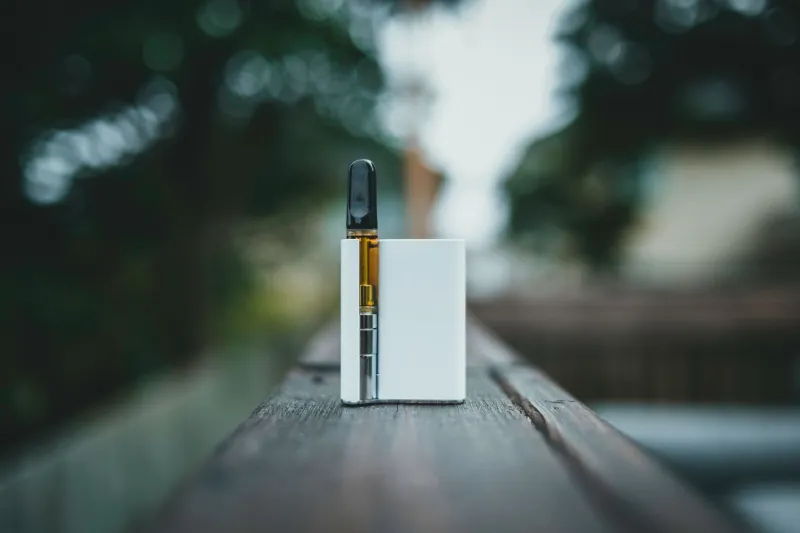
- Dry herb vaporizers with ceramic or quartz chambers are widely considered the gold standard for flavor accuracy. They don't combust, so you're getting a cleaner read on the actual terpene profile.
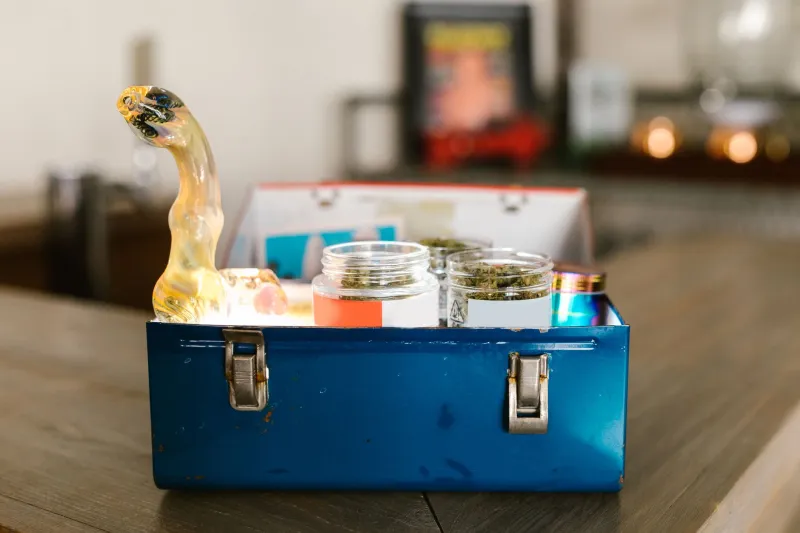
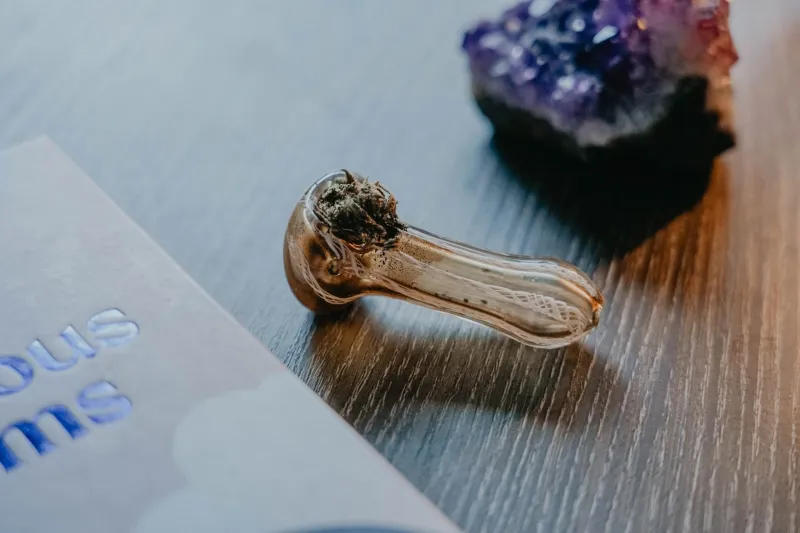
- Glass pipes and water pipes offer a different kind of flavor — combustion-based, but the glass doesn't add any off-notes the way some metals or cheap plastics can. Water filtration cools the smoke without stripping as much flavor as you might expect.
- Pod systems and disposables vary wildly by brand. Higher-end options use better coil materials and more refined e-liquid formulations that preserve flavor fidelity. If you're getting a muted or slightly burnt taste, the coil is usually the culprit — it's time for a replacement.
- Concentrate rigs at lower dab temperatures (often called "cold starts" or "low-temp dabs") are beloved by flavor enthusiasts specifically because they preserve the delicate aromatic compounds that get destroyed at higher heat.
Pairing Flavors With Your Day: A Loose Guide
Just like you wouldn't crack open a heavy red wine at 9 AM (no judgment if you do), different flavor profiles hit differently depending on when and what you're doing. Here's a casual pairing guide to play with:
Morning: Lighter, citrus-forward or herbal profiles pair well with coffee and the mental clarity you're hopefully working toward. Think bright top notes — lemon, pine, mint-adjacent flavors.
Afternoon/Creative Work: Earthy, slightly sweet profiles tend to complement the mid-day creative grind. Woody, vanilla, or light fruit notes feel balanced and grounding without being overwhelming.
Evening Wind-Down: This is where richer, fuller profiles shine. Berry-forward, floral, or spice-leaning flavors complement the slower pace of an evening session. If you're pairing with food or a drink, match intensity — a bold flavor profile alongside a mild snack can be a jarring mismatch.
Social Settings: When you're with others, crowd-pleasing flavors — mild, sweet, or universally approachable profiles — tend to be the move. Save the experimental stuff for when you can really focus on it.
Building Your Flavor Vocabulary
The more sessions you approach with intentional attention, the faster you'll develop what wine people call a "flavor vocabulary" — the ability to name what you're tasting rather than just saying "it's good" or "it's harsh."
Keep a simple notes app or even a physical journal. After each session, jot down the product, the device, the temperature if applicable, and three words that describe what you tasted. Over time, you'll start recognizing patterns — and you'll know exactly what to reach for when you want a specific kind of experience.
Flavor chasing isn't just for the ultra-enthusiasts or the gear heads. It's for anyone who wants to get more out of what they're already doing. And honestly? Once you start tasting the difference, it's hard to go back to just puffing on autopilot.
At Cloud City Smoke Shop, we're all about elevating the experience — and flavor is one of the most accessible, most rewarding ways to do exactly that. Start small, stay curious, and trust your palate. It knows more than you think.